

FOR REQUIREMENT OF THIS GRADE OR FOR DETAIL CONTACT US AT :-
Introduction
JIS G 3214 is a Japanese
Industrial Standard that specifies stainless steel forgings mainly used for
corrosion-resistant and high-temperature pressure vessels and their components.
Austenitic stainless steel forgings covered by this standard are also suitable
for specified low-temperature pressure vessel applications.
These forged stainless steel
products are manufactured to provide mechanical strength, corrosion resistance,
heat resistance and structural integrity under demanding operating conditions.
They are widely used in pressure vessel equipment, chemical processing systems,
petrochemical plants and specialised industrial applications.
JIS G 3214 includes
austenitic, martensitic and precipitation-hardening stainless steel grades.
Each grade offers different combinations of strength, toughness, corrosion
resistance and heat-treatment characteristics.
Applicable Standard
·
Standard:
JIS G 3214:1991
·
Amendment:
Amendment 1:2009
·
Standard
title: Stainless Steel Forgings for Pressure Vessels
·
Material
type: Stainless steel
·
Product
form: Forged stainless steel components
·
Main
applications: Corrosion-resistant and high-temperature pressure vessels and
their components
·
Additional
application: Austenitic stainless steel forgings for low-temperature pressure
vessel service
·
Main
requirements: Chemical composition, mechanical properties, heat treatment,
dimensions, testing and inspection
The 2009 amendment is used
together with the original 1991 standard. The applicable requirements should be
confirmed against the current standard and purchase specification.
Material Type
JIS G 3214 is a stainless
steel forging standard.
·
SS
(Stainless Steel): Yes. This is the primary material classification.
The products are supplied in
forged form rather than as conventional stainless steel sheets, plates or
pipes.
Scope of JIS G 3214
The standard specifies
stainless steel forgings mainly intended for corrosion-resistant and
high-temperature pressure vessels and their components.
Austenitic stainless steel
forgings may also be used for low-temperature pressure vessel service.
Typical applications include:
·
Pressure
vessel components
·
Forged
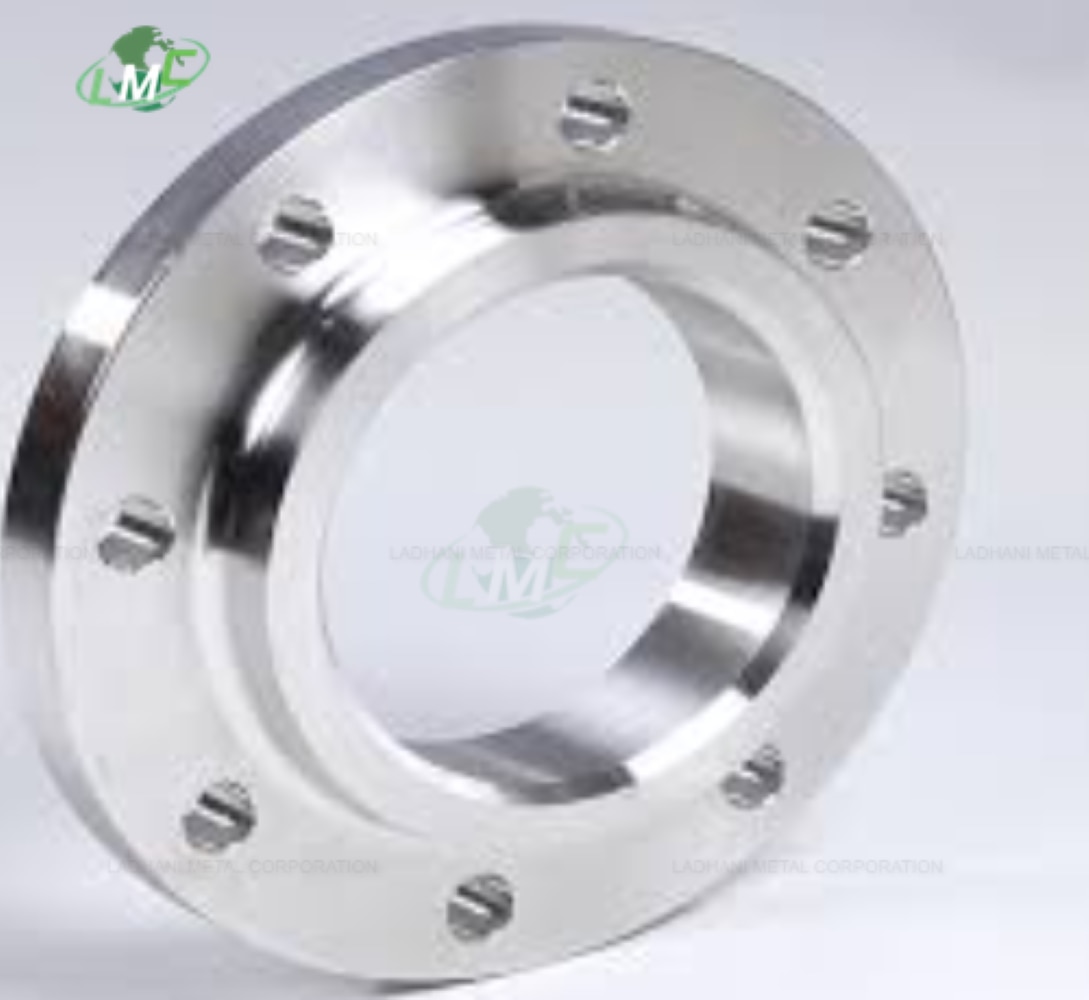
pressure vessel flanges
·
Forged
nozzles and connections
·
Chemical
and petrochemical processing equipment
·
High-temperature
pressure equipment
·
Corrosion-resistant
industrial components
·
Specialised
forged pressure vessel parts
The final material selection
depends on operating temperature, pressure, corrosion environment, mechanical
requirements and the applicable design code.
Stainless Steel Grades Covered
JIS G 3214 covers 24
principal grade designations classified into three stainless steel families.
|
Classification |
Grade
designations |
|
Austenitic stainless steel |
SUSF304, SUSF304H, SUSF304L, SUSF304N,
SUSF304LN, SUSF310, SUSF316, SUSF316H, SUSF316L, SUSF316N, SUSF316LN, SUSF317,
SUSF317L, SUSF321, SUSF321H, SUSF347, SUSF347H |
|
Martensitic stainless steel |
SUSF410-A, SUSF410-B, SUSF410-C, SUSF410-D,
SUSF6B, SUSF6NM |
|
Precipitation-hardening stainless steel |
SUSF630 |
These grades are selected
according to corrosion resistance, strength, temperature requirements and
heat-treatment conditions.
Chemical Composition
Chemical composition is
specified through ladle analysis. The following tables provide the grade-wise
composition requirements in weight percentage (%).
Austenitic Stainless Steel Grades
|
Grade |
C |
Si
max. |
Mn
max. |
P
max. |
S
max. |
Ni |
Cr |
Mo |
N |
|
SUSF304 |
0.08
max. |
1.00 |
2.00 |
0.040 |
0.030 |
8.00–11.00 |
18.00–20.00 |
— |
— |
|
SUSF304H |
0.04–0.10 |
1.00 |
2.00 |
0.040 |
0.030 |
8.00–12.00 |
18.00–20.00 |
— |
— |
|
SUSF304L |
0.030
max. |
1.00 |
2.00 |
0.040 |
0.030 |
9.00–13.00 |
18.00–20.00 |
— |
— |
|
SUSF304N |
0.08
max. |
0.75 |
2.00 |
0.040 |
0.030 |
8.00–11.00 |
18.00–20.00 |
— |
0.10–0.16 |
|
SUSF304LN |
0.030
max. |
1.00 |
2.00 |
0.040 |
0.030 |
8.00–11.00 |
18.00–20.00 |
— |
0.10–0.16 |
|
SUSF310 |
0.15
max. |
1.00 |
2.00 |
0.040 |
0.030 |
19.00–22.00 |
24.00–26.00 |
— |
— |
|
SUSF316 |
0.08
max. |
1.00 |
2.00 |
0.040 |
0.030 |
10.00–14.00 |
16.00–18.00 |
2.00–3.00 |
— |
|
SUSF316H |
0.04–0.10 |
1.00 |
2.00 |
0.040 |
0.030 |
10.00–14.00 |
16.00–18.00 |
2.00–3.00 |
— |
|
SUSF316L |
0.030
max. |
1.00 |
2.00 |
0.040 |
0.030 |
12.00–15.00 |
16.00–18.00 |
2.00–3.00 |
— |
|
SUSF316N |
0.08
max. |
0.75 |
2.00 |
0.040 |
0.030 |
11.00–14.00 |
16.00–18.00 |
2.00–3.00 |
0.10–0.16 |
|
SUSF316LN |
0.030
max. |
1.00 |
2.00 |
0.040 |
0.030 |
10.00–14.00 |
16.00–18.00 |
2.00–3.00 |
0.10–0.16 |
|
SUSF317 |
0.08
max. |
1.00 |
2.00 |
0.040 |
0.030 |
11.00–15.00 |
18.00–20.00 |
3.00–4.00 |
— |
|
SUSF317L |
0.030
max. |
1.00 |
2.00 |
0.040 |
0.030 |
11.00–15.00 |
18.00–20.00 |
3.00–4.00 |
— |
|
SUSF321 |
0.08
max. |
1.00 |
2.00 |
0.040 |
0.030 |
9.00–12.00 |
17.00
min. |
— |
— |
|
SUSF321H |
0.04–0.10 |
1.00 |
2.00 |
0.040 |
0.030 |
9.00–12.00 |
17.00
min. |
— |
— |
|
SUSF347 |
0.08
max. |
1.00 |
2.00 |
0.040 |
0.030 |
9.00–13.00 |
17.00–20.00 |
— |
— |
|
SUSF347H |
0.04–0.10 |
1.00 |
2.00 |
0.040 |
0.030 |
9.00–13.00 |
17.00–20.00 |
— |
— |
Additional element
requirements:
·
SUSF321:
Titanium content not less than five times the carbon content, with a maximum of
0.60%.
·
SUSF321H:
Titanium content not less than four times the carbon content, with a maximum of
0.60%.
·
SUSF347:
Niobium content not less than ten times the carbon content, with a maximum of
1.00%.
·
SUSF347H:
Niobium content not less than eight times the carbon content, with a maximum of
1.00%.
Martensitic Stainless Steel Grades
|
Grade |
C
max. |
Si
max. |
Mn
max. |
P
max. |
S
max. |
Cr
(%) |
Ni
(%) |
Mo
(%) |
|
SUSF410-A |
0.15 |
1.00 |
1.00 |
0.040 |
0.030 |
11.50–13.50 |
0.60
max. |
— |
|
SUSF410-B |
0.15 |
1.00 |
1.00 |
0.040 |
0.030 |
11.50–13.50 |
0.60
max. |
— |
|
SUSF410-C |
0.15 |
1.00 |
1.00 |
0.040 |
0.030 |
11.50–13.50 |
0.60
max. |
— |
|
SUSF410-D |
0.15 |
1.00 |
1.00 |
0.040 |
0.030 |
11.50–13.50 |
0.60
max. |
— |
|
SUSF6B |
0.15 |
1.00 |
1.00 |
0.020 |
0.020 |
11.50–13.50 |
1.00–2.00 |
0.40–0.60 |
|
SUSF6NM |
0.05 |
0.60 |
0.50–1.00 |
0.030 |
0.030 |
11.50–14.00 |
3.50–5.50 |
0.50–1.00 |
Precipitation-Hardening Stainless Steel Grade
|
Grade |
C
max. |
Si
max. |
Mn
max. |
P
max. |
S
max. |
Ni
(%) |
Cr
(%) |
Nb
(%) |
Cu
(%) |
|
SUSF630 |
0.07 |
1.00 |
1.00 |
0.040 |
0.030 |
3.00–5.00 |
15.00–17.50 |
0.15–0.45 |
3.00–5.00 |
The chemical composition
tables should be read together with the applicable standard. Product analysis
tolerances, supplementary requirements and any special requirements for reactor
pressure vessel components must be considered separately.
Mechanical Properties
Mechanical properties of JIS
G 3214 forgings are determined by tensile testing and hardness testing.
Requirements vary according to the stainless steel family, grade and forging
diameter or thickness at heat treatment.
Austenitic Stainless Steel Mechanical
Properties
The following table provides
the principal tensile and hardness requirements for austenitic grades. Values
are minimum requirements unless stated otherwise.
|
Grade |
Proof
stress (MPa) |
Tensile
strength (MPa) |
Elongation
(%) |
Reduction
of area (%) |
Brinell
hardness |
|
SUSF304 |
205 |
520 /
480 |
43 /
29 |
50 /
45 |
187
max. |
|
SUSF304H |
205 |
520 /
480 |
43 /
29 |
50 /
45 |
187
max. |
|
SUSF304L |
175 |
480 /
450 |
29 /
29 |
50 /
45 |
187
max. |
|
SUSF304N |
240 |
550 |
29 /
24 |
50 /
45 |
217
max. |
|
SUSF304LN |
205 |
520 /
480 |
29 /
29 |
50 /
45 |
187
max. |
|
SUSF310 |
205 |
520 /
480 |
34 /
29 |
50 /
40 |
187
max. |
|
SUSF316 |
205 |
520 /
480 |
43 /
29 |
50 /
45 |
187
max. |
|
SUSF316H |
205 |
520 /
480 |
43 /
29 |
50 /
45 |
187
max. |
|
SUSF316L |
175 |
480 /
450 |
29 /
29 |
50 /
45 |
187
max. |
|
SUSF316N |
240 |
550 |
29 /
24 |
50 /
45 |
217
max. |
|
SUSF316LN |
205 |
520 /
480 |
29 /
29 |
50 /
45 |
187
max. |
|
SUSF317 |
205 |
520 /
480 |
29 /
29 |
50 /
45 |
187
max. |
|
SUSF317L |
175 |
480 /
450 |
29 /
29 |
50 /
45 |
187 max. |
|
SUSF321 |
205 |
520 /
480 |
43 /
29 |
50 /
45 |
187
max. |
|
SUSF321H |
205 |
520 /
480 |
43 /
29 |
50 /
45 |
187
max. |
|
SUSF347 |
205 |
520 /
480 |
43 /
29 |
50 /
45 |
187
max. |
|
SUSF347H |
205 |
520 /
480 |
43 /
29 |
50 /
45 |
187
max. |
For the two tensile strength
and elongation figures separated by a slash, the first value applies to
forgings under 130 mm and the second to forgings from 130 mm up to and
including 200 mm, where the standard specifies separate values. The proof
stress and reduction-of-area values are also subject to the applicable size
category and table requirements.
Martensitic Stainless Steel Mechanical
Properties
Martensitic stainless steel
grades are heat-treated to achieve their specified strength, hardness and
toughness. Their mechanical requirements are grade-specific and depend on the
prescribed heat-treatment condition.
|
Grade |
Heat-treatment
category |
Mechanical
property requirements |
|
SUSF410-A |
Quenched and tempered |
Grade-specific proof stress, tensile
strength, elongation and hardness |
|
SUSF410-B |
Quenched and tempered |
Grade-specific proof stress, tensile
strength, elongation and hardness |
|
SUSF410-C |
Quenched and tempered |
Grade-specific proof stress, tensile
strength, elongation and hardness |
|
SUSF410-D |
Quenched and tempered |
Grade-specific proof stress, tensile
strength, elongation and hardness |
|
SUSF6B |
Quenched and tempered |
Grade-specific strength, elongation and
hardness requirements |
|
SUSF6NM |
Quenched and tempered |
Higher-strength martensitic grade with
specified toughness and mechanical requirements |
The exact mechanical acceptance
values for these six grades must be taken from Table 6 of JIS G 3214:1991 and
the applicable amendment. They should not be replaced with generic AISI 410 or
ASTM F6 values.
Precipitation-Hardening Stainless Steel
Mechanical Properties
|
Grade |
Proof
stress (MPa) |
Tensile
strength (MPa) |
Elongation
(%) |
Reduction
of area (%) |
Hardness |
|
SUSF630 |
725–860 |
930–1000 |
12–15 |
45–50 |
277–311 HB |
SUSF630 is a
precipitation-hardening stainless steel. Its final mechanical properties depend
on the ageing condition and heat treatment. The applicable heat-treatment
condition and Charpy impact requirements should be checked against the standard
and purchase specification.
Manufacturing Process
JIS G 3214 stainless steel
forgings are produced through controlled steelmaking and forging operations to
achieve the required chemical composition and mechanical properties.
Typical manufacturing stages
include:
·
Steelmaking
and alloy composition control
·
Casting
of ingots or suitable starting material
·
Removal
of unsuitable portions of the ingot
·
Heating
to the required forging temperature
·
Forging
into the specified component shape
·
Controlled
cooling
·
Heat
treatment according to the grade
·
Machining
and dimensional finishing, where required
·
Mechanical
testing and inspection
·
Preparation
of material certification documents
The forging process produces
components suitable for pressure vessel applications where material integrity
and mechanical performance are important.
Manufacturing Conditions
Manufacturing conditions
depend on the stainless steel family, grade, component dimensions and required
mechanical properties.
Important production controls
include:
·
Chemical
composition and alloying element control
·
Forging
temperature and deformation control
·
Heat-treatment
temperature and cooling control
·
Mechanical
property verification
·
Dimensional
inspection
·
Surface
examination and defect assessment
These controls help ensure
the finished forging meets the required quality and performance specifications.
Heat Treatment
Heat treatment is selected
according to the stainless steel grade and its intended service.
Austenitic Stainless Steel
Austenitic grades are
solution-treated followed by rapid cooling. Typical solution-treatment
temperature ranges specified in the standard include approximately 1010–1150°C
for several grades, with different ranges for certain stabilised and
high-carbon grades.
Martensitic Stainless Steel
Martensitic grades are
generally quenched and tempered. The specified quenching and tempering
temperatures differ by grade.
Precipitation-Hardening Stainless Steel
SUSF630 is solution-treated
and subsequently aged. Different ageing conditions provide different strength
and hardness levels.
The exact heat-treatment
temperature, holding time and cooling method must be selected according to the
applicable grade table and purchase specification.
Surface Finish
JIS G 3214 forgings may be
supplied in forged, machined or finished conditions depending on the component
design and purchase requirements.
Surface condition should be
suitable for the intended pressure vessel application. Additional machining,
grinding or surface preparation may be carried out according to the agreed
specification.
Delivery Condition
Stainless steel forgings are
supplied in the heat-treated condition required for the selected grade and
purchase specification.
The purchase order should
identify:
·
Stainless
steel grade
·
Forging
dimensions and component drawing
·
Heat-treatment
condition
·
Required
mechanical properties
·
Inspection
and testing requirements
·
Material
identification and traceability
·
Required
certification
The delivery condition should
be agreed with the manufacturer before production.
Dimensions and Tolerances
Dimensions and tolerances are
determined according to the forging design, applicable standard requirements
and purchase agreement.
Typical ordering requirements
include:
·
Overall
dimensions
·
Forging
shape and configuration
·
Machining
allowance
·
Dimensional
tolerances
·
Surface
condition
·
Quantity
and identification requirements
Custom forgings can be
manufactured according to approved drawings and manufacturing capabilities.
Product Characteristics
JIS G 3214 stainless steel
forgings offer properties suitable for demanding pressure vessel applications.
·
Stainless
steel corrosion resistance
·
Suitable
mechanical strength for pressure equipment
·
Austenitic
grades with good ductility and toughness
·
Martensitic
grades offering higher strength and hardness after heat treatment
·
Precipitation-hardening
grades for high-strength applications
·
Heat
resistance in applicable stainless steel grades
·
Forged
construction for specialised pressure vessel components
Material selection should
consider the operating temperature, pressure, corrosion environment and
fabrication requirements.
Forms of Supply
JIS G 3214 products are
supplied as forged stainless steel components rather than conventional rolled
plates or sheets.
Common supply forms include:
·
Stainless
steel pressure vessel forgings
·
Forged
flanges and connections
·
Forged
nozzles and fittings
·
Custom-shaped
stainless steel forgings
·
Forgings
prepared for machining
·
Machined
components, where agreed
·
Products
supplied with material test certificates
Availability depends on the
selected grade, dimensions, quantity and manufacturing requirements.
Applications
JIS G 3214 stainless steel
forgings are used in pressure equipment and industrial systems requiring
corrosion resistance, strength and reliable mechanical performance.
Common applications include:
·
Chemical
processing equipment
·
Petrochemical
pressure vessels
·
Industrial
pressure vessel components
·
High-temperature
pressure equipment
·
Corrosion-resistant
process equipment
·
Forged
pressure vessel flanges and connections
·
Specialised
industrial machinery
Austenitic grades may also be
selected for low-temperature pressure vessel service when the applicable
requirements are satisfied.
Key Features
·
Stainless
steel forging material classification
·
Designed
for pressure vessel applications
·
24
grade designations across three stainless steel families
·
Austenitic,
martensitic and precipitation-hardening options
·
Corrosion
resistance in suitable service environments
·
Grade-specific
mechanical properties
·
Heat-treatment
options according to stainless steel family
·
Suitable
for forged pressure vessel components
·
Available
in different grades for specialised industrial requirements
Availability
Ladhani Metal Corporation
caters to enquiries for stainless steel products used in pressure vessel,
industrial and engineering applications. JIS G 3214 stainless steel forgings
can be enquired about by specifying the grade, component drawing, dimensions,
quantity, heat-treatment condition and inspection requirements.
Availability is subject to
sourcing, manufacturing capability and order requirements.
Conclusion
JIS G 3214 is a Japanese
standard for stainless steel forgings used in pressure vessels and their
components. It covers 24 grade designations across austenitic, martensitic and
precipitation-hardening stainless steel families, offering different
combinations of corrosion resistance, strength, toughness and temperature
performance.
FOR REQUIREMENT OF THIS GRADE OR FOR DETAIL CONTACT US AT :-
#JISG3214 #JISG3214Steel #JISG3214Standard
#JISG3214StainlessSteelForgings #StainlessSteelForgings #StainlessSteel
#SteelForgings #StainlessSteelForgedComponents #ForgedSteel #IndustrialForgings
#PressureVesselMaterials #PressureVesselForgings #StainlessSteelComponents
#CorrosionResistantSteel #AlloySteel #EngineeringSteel #PrecisionForgings
#CustomSteelForgings #SteelForgingManufacturer #SteelForgingSupplier
#SteelForgingExporter #StainlessSteelManufacturer #StainlessSteelSupplier
#StainlessSteelExporter #IndustrialMaterials #MechanicalEngineering
#JapaneseSteelStandards #SteelProducts #SteelStockist #Mumbai #Delhi #Chennai
#Kolkata #Bengaluru #Hyderabad #Ahmedabad #Pune #Surat #Jaipur #Lucknow #Kanpur
#Nagpur #Indore #Srinagar #Aurangabad #Dhanbad #Amritsar #NaviMumbai #Allahabad
#Ranchi #Howrah #Jabalpur #Gwalior #Vijayawada #Jodhpur #Raipur #Kota #Guwahati
#Chandigarh #Solapur #Hubli #Mysuru #Tiruchirappalli #Bareilly
@Mumbai @Delhi @Chennai @Kolkata
@Hyderabad @Bengaluru
