

FOR REQUIREMENT OF THIS GRADE OR FOR DETAIL CONTACT US AT :-
Introduction
JIS G 3136 is a Japanese
Industrial Standard that specifies rolled steel products used for building
structures. These hot-rolled steel products are designed for structural
applications requiring strength, toughness, dimensional reliability and
suitable weldability.
JIS G 3136 steel is
classified as carbon steel structural steel. It is commonly supplied for
building frames, columns, beams, welded structural components and other
construction applications. Depending on the grade, the material offers
different strength levels and requirements for chemical composition, impact
toughness and through-thickness properties.
The current edition is JIS G
3136:2022, titled Rolled Steels for Building Structure.
Applicable Standard
·
Standard:
JIS G 3136:2022
·
Standard
title: Rolled Steels for Building Structure
·
Material
type: Carbon steel structural steel
·
Product
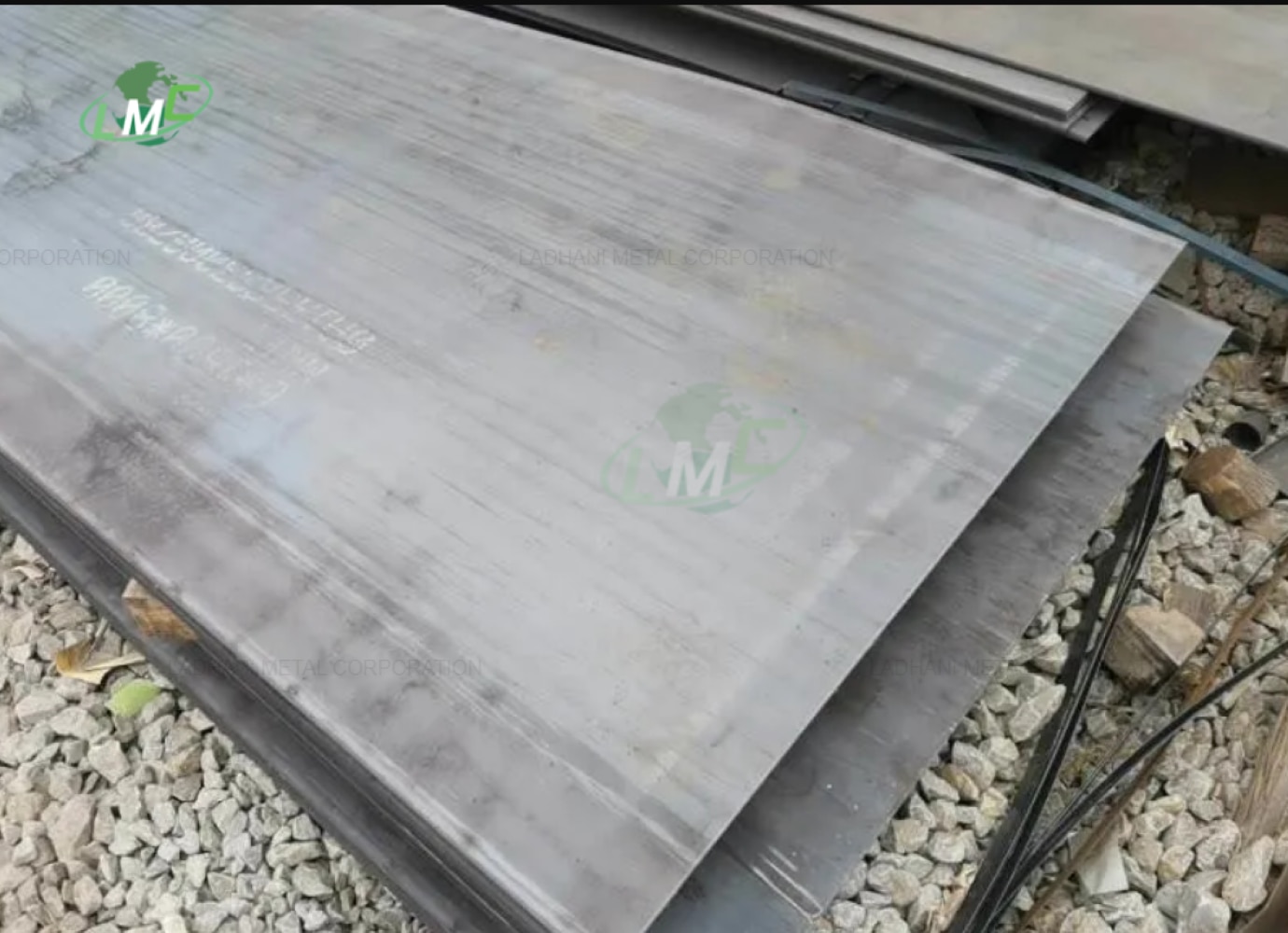
form: Hot-rolled steel plates and other applicable rolled products
·
Main
applications: Building structures, steel frames and welded structural
components
·
Principal
requirements: Chemical composition, mechanical properties, weldability,
dimensions, tolerances and testing
The grade and delivery
requirements should be confirmed against the applicable edition of the standard
and the purchase specification.
Material Type
JIS G 3136 is primarily a
carbon steel structural material standard. Its grades are developed for
building structures, with controlled chemical composition and mechanical
properties suitable for structural fabrication.
·
SS
(Stainless Steel): No, JIS G 3136 is not a stainless steel standard.
·
MS
(Mild Steel): Some grades may be described commercially as mild or low-carbon
structural steel, but the standard's more accurate classification is structural
steel.
·
CS
(Carbon Steel): Yes, it is generally classified as carbon steel structural
steel.
·
Alloy
Steel: It is not primarily classified as alloy steel. Certain alloying elements
may be present or controlled as part of the grade requirements, but the
material is generally marketed as carbon steel structural steel.
Scope of JIS G 3136
JIS G 3136 specifies
requirements for hot-rolled steel products intended for structural members of
buildings. The grades are selected according to structural design requirements,
strength, weldability and toughness.
The standard covers steel
grades used for applications such as:
·
Building
frames and structural columns
·
Beams
and girders
·
Welded
structural assemblies
·
Industrial
buildings and factory structures
·
Commercial
and residential building frameworks
·
Other
load-bearing building components
The exact product dimensions
and available forms depend on the manufacturer and supply specification.
Steel Grades Covered
JIS G 3136:2022 includes five
principal steel grades.
|
Grade |
Material
description |
Typical
application |
|
SN400A |
Structural steel, 400 MPa tensile-strength
class |
General building structures |
|
SN400B |
Structural steel with specified mechanical
and toughness requirements |
Welded building frames and structural
members |
|
SN400C |
Structural steel with specified through-thickness
properties |
Structural components requiring enhanced
through-thickness performance |
|
SN490B |
Higher-strength structural steel with
specified mechanical and toughness requirements |
Heavier load-bearing and welded structures |
|
SN490C |
Higher-strength structural steel with
specified through-thickness properties |
Structural components requiring enhanced
through-thickness performance |
The suffixes A, B and C
identify different requirement categories under the standard. They should not
be treated as interchangeable grades.
Chemical Composition
The chemical composition of
JIS G 3136 steel varies by grade and thickness. The following table provides
representative limits for the principal elements in commonly specified grades.
Values are in weight percent and should be verified against JIS G 3136:2022 for
the ordered grade and thickness.
|
Grade |
Carbon (C) |
Silicon (Si) |
Manganese (Mn) |
Phosphorus (P) |
Sulfur (S) |
|
SN400A |
0.24 max. |
Not specified in the same way as B grades |
Not specified in the same way as B grades |
0.050 max. |
0.050 max. |
|
SN400B |
0.20 max. |
0.35 max. |
0.60–1.50 |
0.030 max. |
0.015 max. |
|
SN400C |
0.20 max. |
0.35 max. |
0.60–1.50 |
0.020 max. |
0.008 max. |
|
SN490B |
0.18 max. |
0.55 max. |
1.65 max. |
0.030 max. |
0.015 max. |
|
SN490C |
0.18 max. |
0.55 max. |
1.65 max. |
0.020 max. |
0.008 max. |
Chemical limits may vary with
thickness and other provisions of the standard. Carbon equivalent and
weld-cracking sensitivity composition requirements may also apply to specified
grades. The material test certificate and current standard should be used to verify
acceptance values.
Mechanical Properties
Mechanical properties depend
on the grade, plate thickness and specimen requirements. The following are
representative tensile-strength and yield-strength requirements commonly
published for JIS G 3136 grades.
|
Grade |
Tensile strength (MPa) |
Minimum yield or proof stress (MPa) |
|
SN400A |
400–510 |
235 for thinner products; requirements vary with
thickness |
|
SN400B |
400–510 |
235 for thinner products; requirements vary with
thickness |
|
SN400C |
400–510 |
235 for thinner products; requirements vary with
thickness |
|
SN490B |
490–610 |
325 for thinner products; requirements vary with
thickness |
|
SN490C |
490–610 |
325 for thinner products; requirements vary with
thickness |
Yield strength and elongation
requirements change according to thickness and test-piece type. Specified
impact testing and through-thickness properties also depend on the grade and
applicable requirements. The current standard should be consulted for the exact
values for a particular order.
Manufacturing Process
JIS G 3136 steel is produced
through controlled steelmaking and hot-rolling operations to achieve the
required chemical composition and mechanical properties.
The typical manufacturing
process includes:
·
Steelmaking
and chemical composition control
·
Casting
of steel slabs
·
Reheating
and hot rolling
·
Controlled
cooling
·
Cutting
and dimensional finishing
·
Surface
inspection and mechanical testing
·
Identification
and preparation of inspection documentation
Manufacturing controls help
maintain consistent strength, toughness and suitability for structural
fabrication.
Manufacturing Conditions
The manufacturing conditions
are selected according to the required grade, product dimensions and applicable
standard.
Important controls include:
·
Chemical
composition and carbon-equivalent control
·
Rolling
temperature and reduction
·
Control
of mechanical properties
·
Weldability
and toughness requirements
·
Dimensional
and surface-quality inspection
These controls support
reliable performance in building structures and welded components.
Heat Treatment
JIS G 3136 steel products are
generally supplied in the condition specified by the standard and purchase
order. The manufacturing route and any additional heat treatment depend on the
grade and required properties.
Normalising or other special
treatment should only be specified where required and agreed with the
manufacturer. The applicable delivery condition should be confirmed before
procurement.
Surface Finish
JIS G 3136 steel plates are
generally supplied with a hot-rolled surface finish. Surface condition should
be suitable for the intended fabrication, inspection and structural
application.
Additional surface
preparation, cutting or finishing may be available by agreement with the
supplier.
Delivery Condition
The delivery condition
depends on the grade, product dimensions and purchase requirements. Products
should comply with the applicable mechanical and chemical requirements of JIS G
3136.
Purchase specifications
should identify the grade, thickness, width, length, quantity, delivery
condition and any additional inspection or documentation requirements.
Dimensions and Tolerances
Dimensions and permissible
variations are governed by the applicable standard and purchase specification.
Typical ordering requirements
include:
·
Nominal
thickness
·
Width
and length
·
Dimensional
and shape tolerances
·
Quantity
and product identification
·
Cutting
and processing requirements
Availability of specific
dimensions depends on manufacturer capability, stock and order quantity.
Product Characteristics
JIS G 3136 structural steel
products offer characteristics suited to building construction and fabrication.
·
Suitable
strength for structural load-bearing applications
·
Grades
with different strength and toughness requirements
·
Weldability
appropriate to the specified grade and fabrication procedure
·
Controlled
chemical composition and mechanical properties
·
Suitability
for building frames and welded structural assemblies
·
Options
for applications requiring specified through-thickness properties
Material selection should
account for the structural design, welding method, plate thickness and
applicable construction codes.
Forms of Supply
JIS G 3136 products are
supplied in applicable hot-rolled forms according to the standard and
manufacturer's range.
Common supply options
include:
·
Hot-rolled
steel plates
·
Structural
steel products in applicable rolled forms
·
Cut-to-size
plates, where available
·
Products
supplied with material test documentation
The exact form, dimensions
and grade availability should be confirmed at the time of enquiry.
Applications
JIS G 3136 carbon steel
structural products are used in a wide range of building and construction
applications.
Typical uses include:
·
Commercial
building frameworks
·
Industrial
buildings and factories
·
Structural
beams and columns
·
Welded
structural members
·
Building
girders and load-bearing components
·
Infrastructure-related
building structures
The grade should be selected
according to design loads, strength requirements, weldability, toughness and
the relevant engineering specification.
Key Features
·
Carbon
steel structural material classification
·
Designed
for building structural members
·
Multiple
grades with different strength levels
·
Controlled
chemical composition and mechanical properties
·
Suitable
for welded fabrication when appropriate procedures are followed
·
Available
in hot-rolled product forms
·
Used
in commercial, industrial and other building structures
Availability
Ladhani Metal Corporation
supplies steel products for industrial, construction and engineering
applications. Enquiries for JIS G 3136 rolled steel plates can be made by
specifying the grade, thickness, width, length, quantity and required
documentation.
Availability is subject to
stock, sourcing and order requirements.
Conclusion
JIS G 3136 is the Japanese
standard for rolled steels used in building structures. Its SN400 and SN490
grade families provide options for structural applications requiring controlled
strength, weldability and, where specified, toughness or through-thickness
properties.
The material is generally
classified as carbon steel structural steel, rather than stainless steel or
conventional alloy steel. Ladhani Metal Corporation can assist with enquiries
for JIS G 3136 products according to the required grade, dimensions and project
specification.
FOR REQUIREMENT OF THIS GRADE OR FOR DETAIL CONTACT US AT :-
#JISG3136
#JISG3136Steel #JISG3136Standard #JISG3136StructuralSteel #JISG3136SteelPlates
#JISG3136SteelSheets #StructuralSteel #CarbonSteel #RolledSteel
#WeldableStructuralSteel #SteelPlates #SteelSheets #MildSteel #MSPlates
#MSSheets #SteelPlateManufacturer #SteelPlateSupplier #SteelPlateExporter
#SteelManufacturer #SteelSupplier #SteelExporter #SteelStockist
#SteelDistributor #IndustrialSteel #EngineeringSteel #SteelProducts
#JISStandards #JapaneseSteelStandards #Mumbai #Delhi #Chennai #Kolkata
#Bengaluru #Hyderabad #Ahmedabad #Pune #Surat #Jaipur #Lucknow #Kanpur #Nagpur
#Indore #Srinagar #Aurangabad #Dhanbad #Amritsar #NaviMumbai #Allahabad #Ranchi
#Howrah #Jabalpur #Gwalior #Vijayawada #Jodhpur #Raipur #Kota #Guwahati
#Chandigarh #Solapur #Hubli #Mysuru #Tiruchirappalli #Bareilly
@Mumbai
@Delhi @Chennai @Kolkata @Hyderabad @Bengaluru
