

FOR REQUIREMENT OF THIS GRADE OR FOR DETAIL CONTACT US AT :-
Introduction
ISO 4957 specifies the
technical delivery conditions for tool steels used for the manufacture of
tools, dies, cutting tools and other components requiring suitable hardness,
wear resistance, toughness and strength.
The standard covers non-alloy
tool steels, alloy tool steels and high-speed steels. Tool steels covered by
ISO 4957 are supplied in different product forms and delivery conditions
depending on the steel grade and intended use.
Ladhani Metal Corporation
supplies ISO 4957 tool steels in required grades, sizes, product forms,
heat-treatment conditions and surface conditions.
Applicable Standard
ISO 4957 – Tool Steels.
The standard specifies
requirements for the chemical composition, mechanical properties where
applicable, quality, delivery conditions and other technical requirements for
tool steels.
Forms of Supply
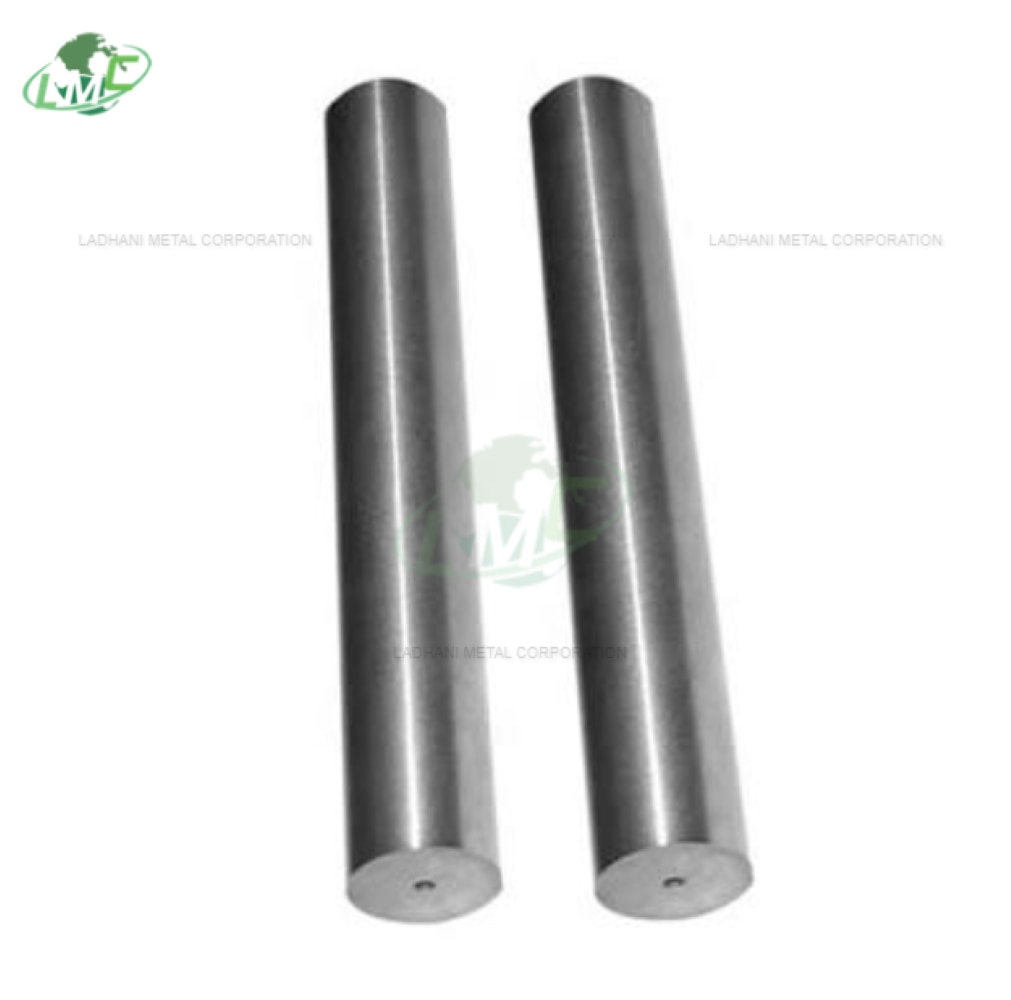
- Tool Steel Bars
- Round Bars
- Flat Bars
- Square Bars
- Rectangular Bars
- Tool Steel Plates
- Tool Steel Blocks
- Bright Bars
- Ground Bars
- Peeled Bars
- Forged Products
- Hot Rolled Products
- Cold Finished Products
Product forms and dimensions
are supplied according to the applicable grade, manufacturing route and
purchase requirements.
Chemical Composition
|
Steel
name |
C |
Si |
Mn |
Cr |
Mo |
Ni |
V |
W |
|
105V |
1.00 to 1.10 |
0.10 to 0.30 |
0.10 to 0.40 |
- |
- |
- |
0.10 to 0.20 |
- |
|
50WCrV8 |
0.45 to 0.55 |
0.70 to 1.00 |
0.15 to 0.45 |
0.90 to 1.20 |
- |
- |
0.10 to 0.20 |
1.70 to 2.20 |
|
60WCrV8 |
0.55 to 0.65 |
0.70 to 1.00 |
0.15 to 0.45 |
0.90 to 1.20 |
- |
- |
0.10 to 0.20 |
1.70 to 2.20 |
|
102Cr6 |
0.95 to 1.10 |
0.15 to 0.35 |
0.25 to 0.45 |
1.35 to 1.65 |
- |
- |
- |
- |
|
21MnCr5 |
0.18 to 0.24 |
0.15 to 0.35 |
1.10 to 1.40 |
1.00 to 1.30 |
- |
- |
- |
- |
|
70MnMoCr8 |
0.65 to 0.75 |
0.10 to 0.50 |
1.80 to 2.50 |
0.90 to 1.20 |
0.90 to 1.40 |
- |
- |
- |
|
90MnCrV8 |
0.85 to 0.95 |
0.10 to 0.40 |
1.80 to 2.20 |
0.20 to 0.50 |
- |
- |
0.05 to 0.20 |
- |
|
95MnWCr5 |
0.90 to 1.00 |
0.10 to 0.40 |
1.05 to 1.35 |
0.40 to 0.65 |
- |
- |
0.05 to 0.20 |
0.40 to 0.70 |
|
X100CrMoV5 |
0.95 to 1.05 |
0.10 to 0.40 |
0.40 to 0.80 |
4.80 to 5.50 |
0.90 to 1.20 |
- |
0.15 to 0.35 |
- |
|
X153CrMoV12 |
1.45 to 1.60 |
0.10 to 0.60 |
0.20 to 0.60 |
11.00 to 13.00 |
0.70 to 1.00 |
- |
0.70 to 1.00 |
- |
|
X210Cr12 |
1.90 to 2.20 |
0.10 to 0.60 |
0.20 to 0.60 |
11.00 to 13.00 |
- |
- |
- |
- |
|
X210CrW12 |
2.00 to 2.30 |
0.10 to 0.40 |
0.30 to 0.60 |
11.00 to 13.00 |
- |
- |
- |
0.60 to 0.80 |
|
35CrMo7 |
0.30 to 0.40 |
0.30 to 0.70 |
0.60 to 1.00 |
1.50 to 2.00 |
0.35 to 0.55 |
- |
- |
- |
|
40CrMnNiMo8-6-4g |
0.35 to 0.45 |
0.20 to 0.40 |
1.30 to 1.60 |
1.80 to 2.10 |
0.15 to 0.25 |
0.90 to 1.20g |
- |
- |
|
45NiCrMo16 |
0.40 to 0.50 |
0.10 to 0.40 |
0.20 to 0.50 |
1.20 to 1.50 |
0.15 to 0.35 |
3.80 to 4.30 |
- |
- |
|
Steel
name |
C |
Si |
Mn |
Cr |
Mo |
V |
W |
Others |
|
55NiCrMoV7 |
0.50 to 0.60 |
0.10 to 0.40 |
0.60 to 0.90 |
0.80 to 1.20 |
0.35 to 0.55 |
0.05 to 0.15 |
- |
Ni: 1.50 to 1.80 |
|
32CrMoV12-28 |
0.28 to 0.35 |
0.10 to 0.40 |
0.15 to 0.45 |
2.70 to 3.20 |
2.50 to 3.00 |
0.40 to 0.70 |
- |
- |
|
X37CrMoV5-1 |
0.33 to 0.41 |
0.80 to 1.20 |
0.25 to 0.50 |
4.80 to 5.50 |
1.10 to 1.50 |
0.30 to 0.50 |
- |
- |
|
X38CrMoV5-3 |
0.35 to 0.40 |
0.30 to 0.50 |
0.30 to 0.50 |
4.80 to 5.20 |
2.70 to 3.20 |
0.40 to 0.60 |
- |
- |
|
X40CrMoV5-1 |
0.35 to 0.42 |
0.80 to 1.20 |
0.25 to 0.50 |
4.80 to 5.50 |
1.20 to 1.50 |
0.85 to 1.15 |
- |
- |
|
50CrMoV13-15 |
0.45 to 0.55 |
0.20 to 0.80 |
0.50 to 0.90 |
3.00 to 3.50 |
1.30 to 1.70 |
0.15 to 0.35 |
- |
- |
|
X30WCrV9-3 |
0.25 to 0.35 |
0.10 to 0.40 |
0.15 to 0.45 |
2.50 to 3.20 |
- |
0.30 to 0.50 |
8.50 to 9.50 |
- |
|
X35CrWMoV5 |
0.32 to 0.40 |
0.80 to 1.20 |
0.20 to 0.50 |
4.75 to 5.50 |
1.25 to 1.60 |
0.20 to 0.50 |
1.10 to 1.60 |
- |
|
38CrCoWV18-17-17 |
0.35 to 0.45 |
0.15 to 0.50 |
0.20 to 0.50 |
4.00 to 4.70 |
0.30 to 0.50 |
1.70 to 2.10 |
3.80 to 4.50 |
Co: 4.00 to 4.50 |
Delivery Conditions
ISO 4957 tool steels can be
supplied in conditions appropriate to the grade and product form, including:
- Annealed
- Soft Annealed
- Hardened
- Tempered
- Hardened and Tempered
- Hot Rolled
- Cold Finished
- Forged
The delivery condition should
be specified according to the machining and heat-treatment requirements of the
finished tool.
Surface Finish
Tool steels can be supplied
with different surface conditions depending on the product form and
manufacturing process.
- Hot Rolled Surface
- Cold Finished Surface
- Peeled Surface
- Ground Surface
- Bright Surface
- Machined Surface
- Polished Surface
- Forged Surface
Ground and bright-finished
conditions are commonly selected where close dimensional tolerances and
improved surface quality are required.
Standard Sizes
Tool steels are available in
a wide range of dimensions depending on the grade and product form.
- Round Bars: Various diameters
- Flat Bars: Various widths and
thicknesses
- Square Bars: Various sizes
- Plates: Various thicknesses and
widths
- Blocks: Custom dimensions
- Length: Standard or cut-to-length
- Special Sizes: Available by
agreement
Key Features
- High hardness after heat treatment
- Excellent wear resistance
- High strength
- Good toughness
- Good machinability in annealed
condition
- Excellent cutting performance for
high-speed steels
- Good dimensional stability
- Suitable for dies and tooling
- Suitable for precision components
- Wide range of alloy compositions
Applications
Cold-Work Tooling
- Blanking Dies
- Punches
- Shear Blades
- Forming Dies
- Drawing Dies
- Thread Rolling Dies
- Cold Heading Dies
Hot-Work Tooling
- Hot Forging Dies
- Extrusion Dies
- Die Casting Dies
- Hot Shear Blades
- Press Tools
- Mandrels
Cutting Tools
- Drills
- Milling Cutters
- Broaches
- Taps
- Reamers
- Knives
- Cutting Blades
Mould and Engineering Applications
- Plastic Mould Components
- Mould Inserts
- Precision Tooling
- Gauges
- Wear Components
- Machine Components
Fabrication and Machining
ISO 4957 tool steels are
generally machined in their annealed or softened delivery condition. Depending
on the grade, they can be sawn, milled, turned, drilled and ground before final
heat treatment.
After hardening and
tempering, machining becomes more difficult and grinding or other suitable
finishing processes may be required.
The recommended machining and
heat-treatment procedure depends on the individual grade.
Heat Treatment
Heat treatment is an
important part of tool steel processing and can include:
- Annealing
- Preheating
- Hardening
- Quenching
- Tempering
- Stress Relieving
- Spheroidizing where applicable
High-speed steels generally
require carefully controlled multi-stage heat treatment to obtain the required
hardness and cutting performance.
The exact heat-treatment
temperatures and procedures depend on the selected grade and product
dimensions.
Testing and Inspection
ISO 4957 tool steels can be
subject to inspection and testing requirements including:
- Chemical Analysis
- Dimensional Inspection
- Surface Inspection
- Hardness Testing
- Ultrasonic Testing where specified
- Microstructural Examination where
specified
- Mechanical Testing where applicable
- Non-Metallic Inclusion Assessment
where specified
- Inspection Certificate according to
EN 10204 where required
Additional inspection
requirements can be agreed between purchaser and supplier.
Advantages
- High wear resistance
- Excellent hardness capability
- Good strength
- Good toughness in suitable grades
- Excellent cutting performance
- Suitable for repeated tooling operations
- Wide range of alloy grades
- Suitable for cold-work applications
- Suitable for hot-work applications
- Suitable for high-speed cutting applications
- Available in various product forms and surface conditions
ISO 4957 Tool Steel Categories
ISO 4957 tool steels can
broadly be divided according to their intended characteristics:
- Non-Alloy Tool Steels – Used where
high carbon content and basic hardening characteristics are required.
- Alloy Tool Steels – Provide
enhanced hardenability, wear resistance, toughness or heat resistance
through alloying additions.
- High-Speed Steels – Designed for
cutting applications requiring high hardness and resistance to softening
at elevated temperatures.
The appropriate grade depends
on the required hardness, wear resistance, toughness, operating temperature and
tooling process.
Conclusion
ISO 4957 tool steels include
non-alloy tool steels, alloy tool steels and high-speed steels used for the production
of cutting tools, dies, punches, mould components, forming tools and other
precision tooling. Grades are available with different combinations of carbon
and alloying elements to provide the required hardness, wear resistance,
toughness and strength.
Ladhani Metal Corporation
supplies ISO 4957 tool steels in required grades, sizes, product forms, surface
conditions and delivery conditions, with mill test certificates and inspection
documentation as required.
FOR REQUIREMENT OF THIS GRADE OR FOR DETAIL CONTACT US AT :-
#ISO4957
#ISO4957ToolSteels #ISO4957Steel #ISO4957ToolSteel #ToolSteels #ToolSteel
#ToolSteelBars #ToolSteelSupplier #ToolSteelManufacturer #ToolSteelExporter #ColdWorkToolSteel
#HotWorkToolSteel #HighSpeedToolSteel #AlloyToolSteel #CarbonToolSteel
#DieSteel #MouldSteel #PrecisionToolSteel #ToolSteelBarsSupplier
#ToolSteelBarsManufacturer #ToolSteelBarsExporter #IndustrialToolSteel
#EngineeringToolSteel #ToolSteelProducts #ToolSteelStockist #ToolSteelIndia
#ISOStandard #Mumbai #Delhi #Chennai #Kolkata #Bengaluru #Hyderabad #Ahmedabad
#Pune #Surat #Jaipur #Lucknow #Kanpur #Nagpur #Indore #Srinagar #Aurangabad
#Dhanbad #Amritsar #NaviMumbai #Allahabad #Ranchi #Howrah #Jabalpur #Gwalior
#Vijayawada #Jodhpur #Raipur #Kota #Guwahati #Chandigarh #Solapur #Hubli
#Mysuru #Tiruchirappalli #Bareilly
@Mumbai
@Delhi @Chennai @Kolkata @Hyderabad @Bengaluru
