
Introduction
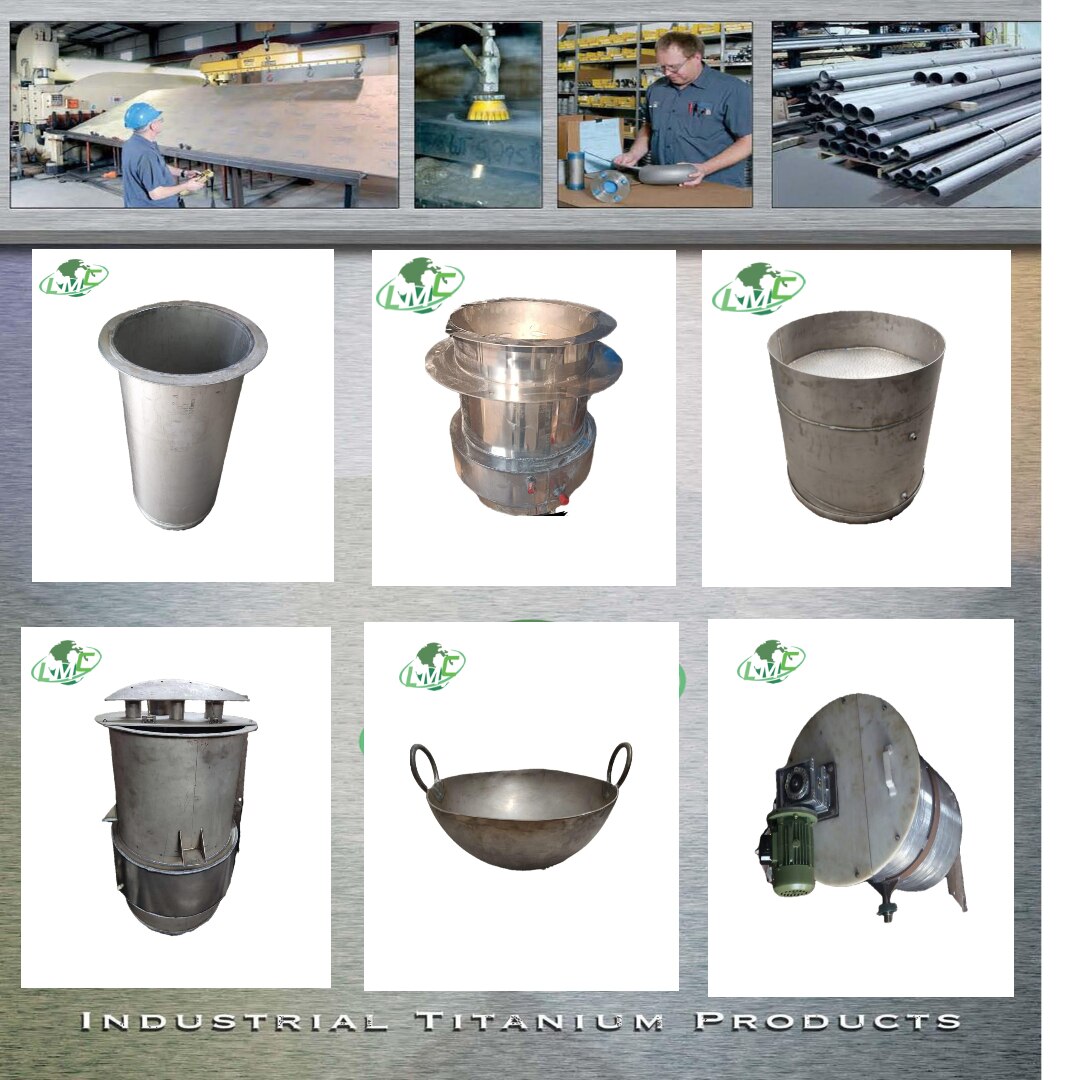
Titanium, with its exceptional properties such as corrosion resistance, high strength-to-weight ratio, and durability, is increasingly being used in various industrial applications, including the refining of precious metals like gold and silver. The refining process involves the extraction of pure metals from ores or scrap, and it requires specialized equipment that can withstand the harsh chemicals and extreme conditions involved. Titanium parts, such as tanks, vessels, valves, and fasteners, are commonly used in these processes due to their resilience, non-reactivity, and ability to endure prolonged exposure to corrosive environments.
One company that has established itself as a key player in providing high-quality titanium parts for the precious metal refining industry is Ladhani Metal Corporation. As a manufacturer and supplier, Ladhani Metal Corporation is renowned for delivering reliable and durable titanium solutions, supporting the efficiency and safety of gold and silver refining operations. This article explores the role of titanium in the refining of gold and silver, particularly focusing on tanks, vessels, valves, fasteners, and their chemical, mechanical, and physical compositions.
1. Titanium Tanks in Gold and Silver Refining plant
Titanium tanks play a vital role in various stages of the gold and silver refining process, particularly during the chemical treatment of ores, gold-bearing solutions, or during electrorefining processes.
Chemical Composition of Titanium Tanks:
Titanium’s primary chemical composition is as follows:
- Titanium (Ti) – 99% (balance)
- Alloying elements (if any, such as):
- Aluminum (Al) – 2-7% (in alloys like Ti-6Al-4V)
- Vanadium (V) – 3-4% (in alloys like Ti-6Al-4V)
- Iron (Fe) – 0.5% max
- Oxygen (O) – 0.2-0.4%
- Nitrogen (N) – 0.05% max
Titanium in pure form (Grade 1) or alloyed with aluminum and vanadium (Grade 5) provides excellent corrosion resistance to acids like hydrochloric and sulfuric acid used in refining processes.
Physical Composition:
- Density: 4.43 g/cm³ (Titanium Grade 1)
- Melting Point: 1,668°C (3,034°F)
- Hardness: 150-190 Vickers hardness (pure titanium); higher in alloyed forms
Mechanical Properties:
- Tensile Strength: 240-620 MPa (depending on the grade of titanium)
- Yield Strength: 170-570 MPa (varies based on titanium grade)
- Elongation: 15-30% (in pure titanium; alloys can have reduced elongation)
- Modulus of Elasticity: 105-120 GPa
Advantages of Titanium Tanks:
- Corrosion Resistance: Gold and silver refining often involves highly corrosive chemicals, and titanium’s ability to resist corrosion ensures that it remains durable and non-reactive even when exposed to these chemicals.
- Strength-to-weight ratio: Titanium tanks provide robust performance with relatively low weight, reducing the structural load in large refining plants.
- Heat Resistance: Titanium tanks can endure elevated temperatures commonly found in the refining processes.
2. Titanium Vessels in Refining plant
Titanium vessels are used for holding, mixing, and reacting chemicals during various stages of the refining process. Their use is essential in situations where the materials involved are highly reactive or corrosive, such as the chlorination of gold ores or electrochemical processes for silver.
Chemical Composition of Titanium Vessels:
The chemical composition of titanium alloys used in vessels, such as Ti-6Al-4V, includes:
- Titanium (Ti) – 90-94%
- Aluminum (Al) – 6-7%
- Vanadium (V) – 3-4%
- Iron (Fe) – 0.25-0.4%
- Oxygen (O) – 0.15-0.25%
These alloying elements enhance the strength and durability of titanium vessels, making them more suitable for demanding applications in the refining industry.
Physical Composition:
- Density: 4.43 g/cm³ (for Ti-6Al-4V alloy)
- Melting Point: 1,650°C (3,002°F)
- Hardness: 330-380 Vickers hardness (for Ti-6Al-4V alloy)
Mechanical Properties:
- Tensile Strength: 900-1,100 MPa (for Ti-6Al-4V alloy)
- Yield Strength: 850-1,000 MPa (for Ti-6Al-4V alloy)
- Elongation: 10-15%
- Modulus of Elasticity: 110-120 GPa
Advantages of Titanium Vessels:
- Superior Corrosion Resistance: Titanium vessels are highly resistant to the corrosive effects of chlorine and other reactive chemicals commonly used in gold and silver refining.
- Structural Integrity: The high tensile strength of titanium vessels ensures their integrity under high-pressure or extreme temperature conditions.
3. Titanium Valves in Gold and Silver Refining plant
Titanium valves are critical components in the gold and silver refining process. Valves control the flow of corrosive chemicals and metals within the system, ensuring safe and efficient operation.
Chemical Composition of Titanium Valves:
The composition of titanium valves typically includes:
- Titanium (Ti) – 99%
- Alloying elements (e.g., in Ti-6Al-4V):
- Aluminum (Al) – 6%
- Vanadium (V) – 4%
Titanium’s resistance to chemical attack is largely due to its stable oxide layer, which forms on its surface when exposed to oxygen.
Physical Composition:
- Density: 4.43 g/cm³
- Melting Point: 1,668°C (3,034°F)
Mechanical Properties:
- Tensile Strength: 900 MPa (in alloyed form like Ti-6Al-4V)
- Yield Strength: 800 MPa (in alloyed form like Ti-6Al-4V)
- Hardness: 330-380 Vickers hardness (for Ti-6Al-4V)
- Modulus of Elasticity: 110-120 GPa
Advantages of Titanium Valves:
- Corrosion Resistance: Titanium valves offer excellent performance in environments with chemicals such as nitric acid and aqua regia, which are commonly used in gold and silver refining.
- Durability: Their strength and resistance to chemical degradation make titanium valves an ideal choice for long-lasting, high-performance operations.
- Temperature Resistance: Titanium valves are able to operate under high temperatures without compromising their functionality.
4. Titanium Fasteners for Refining plant
Fasteners, such as bolts, nuts, washers, and screws, are essential for securing components of the refining system. Titanium fasteners are commonly used in gold and silver refining equipment due to their strength, durability, and resistance to corrosion.
Chemical Composition of Titanium Fasteners:
Titanium fasteners are often made from pure titanium (Grade 1 or Grade 2) or titanium alloys like Ti-6Al-4V.
- Titanium (Ti) – 99%
- Aluminum (Al) – 6-7% (in alloys like Ti-6Al-4V)
- Vanadium (V) – 3-4% (in alloys like Ti-6Al-4V)
- Iron (Fe) – 0.25-0.4%
Physical Composition:
- Density: 4.43 g/cm³
- Melting Point: 1,668°C (3,034°F)
- Hardness: 150-200 Vickers hardness (depending on grade)
Mechanical Properties:
- Tensile Strength: 240-1,200 MPa (pure titanium to alloyed titanium)
- Yield Strength: 170-1,100 MPa (depending on the grade of titanium)
- Elongation: 10-30% (depending on grade)
- Modulus of Elasticity: 105-120 GPa
Advantages of Titanium Fasteners:
- Corrosion Resistance: Titanium fasteners offer superior resistance to acid, salt, and chlorine environments that are commonly encountered in refining processes.
- Strength-to-weight ratio: Titanium fasteners provide strength while reducing the overall weight of the equipment, which can be beneficial in large refining systems.
- Non-reactivity: These fasteners do not introduce any contamination into the refining process, ensuring that the purity of the final product is maintained.
5. Ladhani Metal Corporation: Manufacturer and Supplier of Titanium Parts
Ladhani Metal Corporation is a trusted manufacturer and supplier of high-quality titanium parts for a variety of industries, including the precious metal refining sector. The company offers a wide range of titanium products, including tanks, vessels, valves, and fasteners, which are essential for maintaining the safety, durability, and efficiency of refining operations.
With years of expertise, Ladhani Metal Corporation sources titanium from reputable suppliers and ensures that all products meet the highest standards of quality. Their titanium parts are known for their exceptional corrosion resistance, high tensile strength, and ability to perform under extreme temperatures and pressures, making them ideal for use in the refining of gold and silver.
Ladhani Metal Corporation offers:
- Custom Manufacturing: Tailored solutions to meet the specific needs of customers in the refining industry.
- Quality Assurance: Rigorous testing and quality control to ensure the reliability and durability of all titanium parts.
- Prompt Delivery: Efficient distribution to ensure that parts are delivered on time to keep refining operations running smoothly.
Conclusion
Titanium parts—tanks, vessels, valves, and fasteners—play a crucial role in ensuring the efficiency, safety, and longevity of gold and silver refining processes. Their outstanding corrosion resistance, high strength-to-weight ratio, and non-reactivity make them an ideal material for handling the harsh chemicals and extreme conditions associated with refining operations. While the initial cost may be higher than that of alternative materials, the long-term durability and reduced maintenance requirements of titanium components make them a wise investment for refineries seeking reliable and cost-effective solutions for their equipment.
FOR REQUIREMENT OF THIS
GRADE OR FOR DETAIL CONTACT US AT :-
LADHANI METAL
CORPORATION, MUMBAI, INDIA